Neurotrophic keratitis (NK)

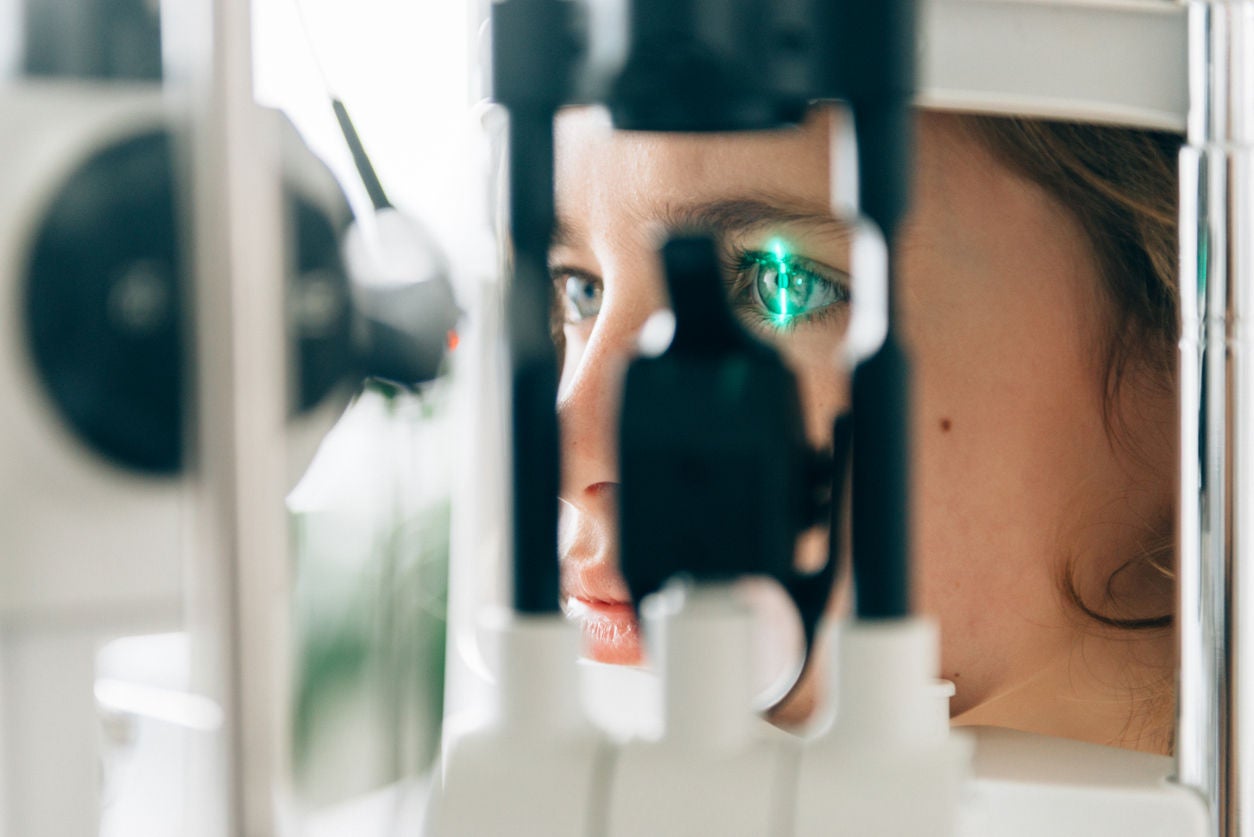
Mother with two kids at the Ophthalmologist for an eye check up

Neurotrophic keratitis (NK) is a serious eye disease that happens when nerve damage reduces feeling in the surface of the eye. Without normal sensation, the eye can’t heal properly, which can lead to injuries or ulcers that threaten vision.

NK is considered rare disease with an estimated prevalence is less than 5/10,000 individuals.
  • Cenegermin - bkbj
    Neurotrophic Keratitis (NK)
    Preclinical
    Phase 1
    Phase 2
    Phase 3
    Marketed

    Neurotrophic keratitis (NK)

    Neurotrophic keratitis (NK) is a rare degenerative disease affecting the cornea. The cornea is the most densely innervated tissue of the body. Sensory innervation of the cornea is derived from the first branch of the trigeminal nerve. In addition to serving as an afferent arm of the blink and tear reflex, sensory corneal nerves also provide trophic support to the corneal epithelium while facilitating and maintaining ocular surface homeostasis. In patients with NK, the corneal sensory nerves are impaired leading to reduced corneal sensitivity and lack of trophic support to the corneal tissue. Without being able to sense external stimuli such as touch, wind, chemicals, light, heat and cold, the brain does not receive these critical signals to in turn respond with eyelid blinking and reflex tear production, which are protective for the corneal surface. Lack of these protective responses can cause the outer layer of the cornea, the epithelium, to thin and break down and cause an irregular surface distorting light and the tear film. As a result of the parallel lack of trophic support by corneal nerves, a detrimental loop is initiated, and the epithelial damage can progress to impairment of corneal healing. In some cases, NK can progress and potentially lead to further damage such as ulceration and in some cases perforation and severe vision loss.

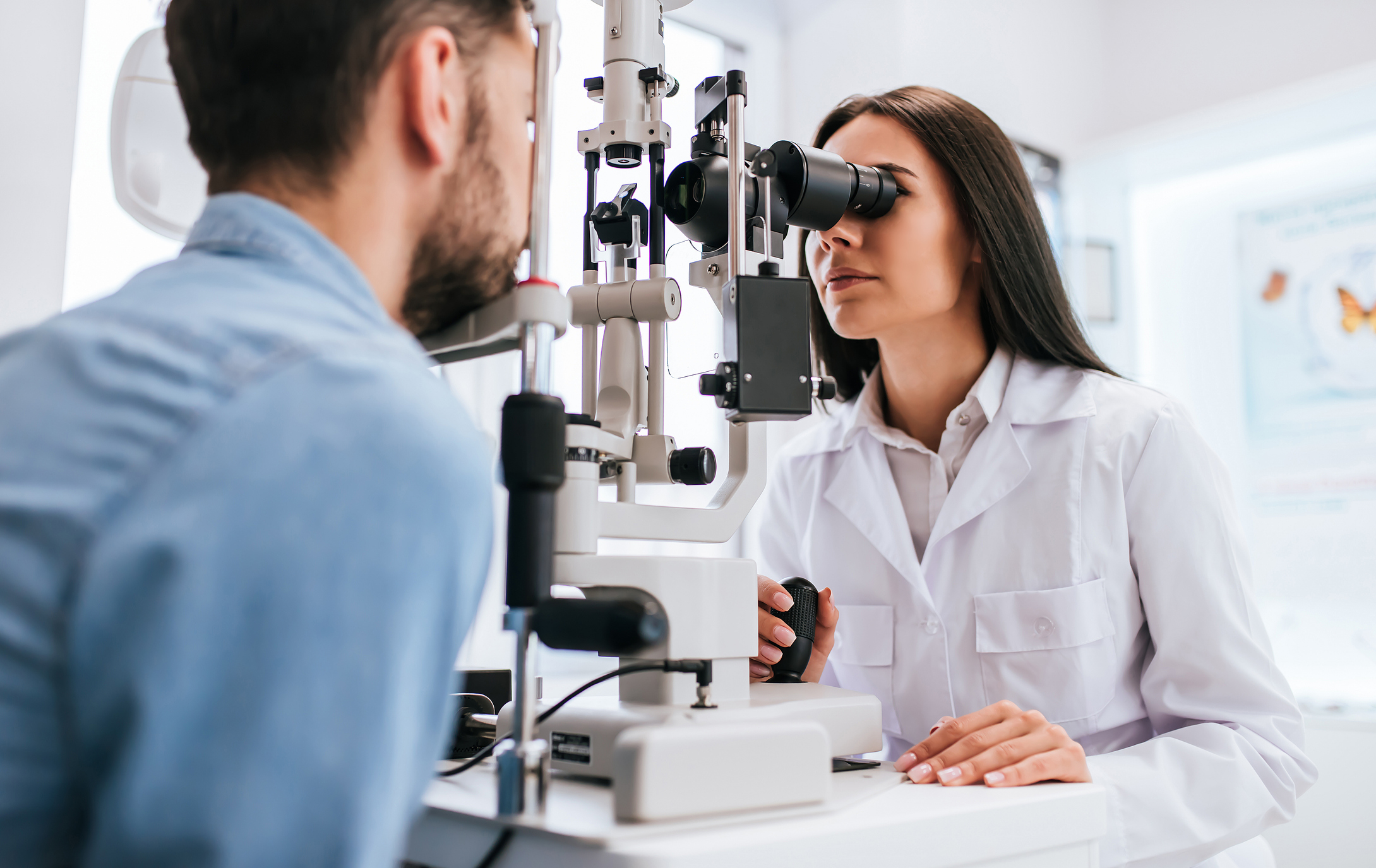
Attractive female doctor  ophthalmologist is checking the eye vision of handsome young man in modern clinic. Doctor and patient in ophthalmology clinic.

Q&A

What causes NK?

NK is caused by damage to the sensory nerves of the cornea. These nerves are important because they help the eye feel things like pain or touch, and they also help the eye heal after injuries by supplying important nutrients. When these nerves don’t work properly, the eye can’t protect or repair itself as well as it should.

There are many reasons why these nerves might get damaged. The most common cause is a past infection from the herpes virus, but other things like diabetes, eye surgery, injuries, or even some medicines can also harm the nerves. Sometimes, conditions that affect the brain or nerves, like tumors or strokes, can lead to this problem too.

What are symptoms and complications of NK?

NK often starts with symptoms that can be easy to miss, since the eye loses some or all feeling. Because the nerves in the cornea aren’t functioning properly, patients might not feel pain or discomfort even when the eye is injured. This makes it harder to notice problems early, so it’s important for patients to get regular eye check-ups if they have any of these risk factors. Some patients may notice redness, dryness, blurred vision, or a feeling that something is in the eye, even though it may not hurt. As the condition worsens, the surface of the eye can develop persistent wounds or ulcers that threaten vision.

How is NK diagnosed?

NK is diagnosed through a comprehensive eye exam conducted by an eye care doctor specialized in managing corneal diseases and includes the following:

  • Review of your medical history and symptoms: This includes questions about past eye infections, injuries, surgeries, or other health conditions like diabetes that can affect the nerves in the eye.
  • Ocular surface exam: The doctor will look closely at the surface of the eye to check for dryness, sores, or ulcers. They may use special dyes or lights to see these changes more clearly.
  • Test sensitivity of the eye: This is called a corneal sensitivity test. The doctor might gently touch the eye with a soft tool, like a cotton wisp, or use a device called an esthesiometer to measure how much feeling there is in the cornea.