Non-Arteritic Anterior Ischemic Optic Neuropathy (NAION)

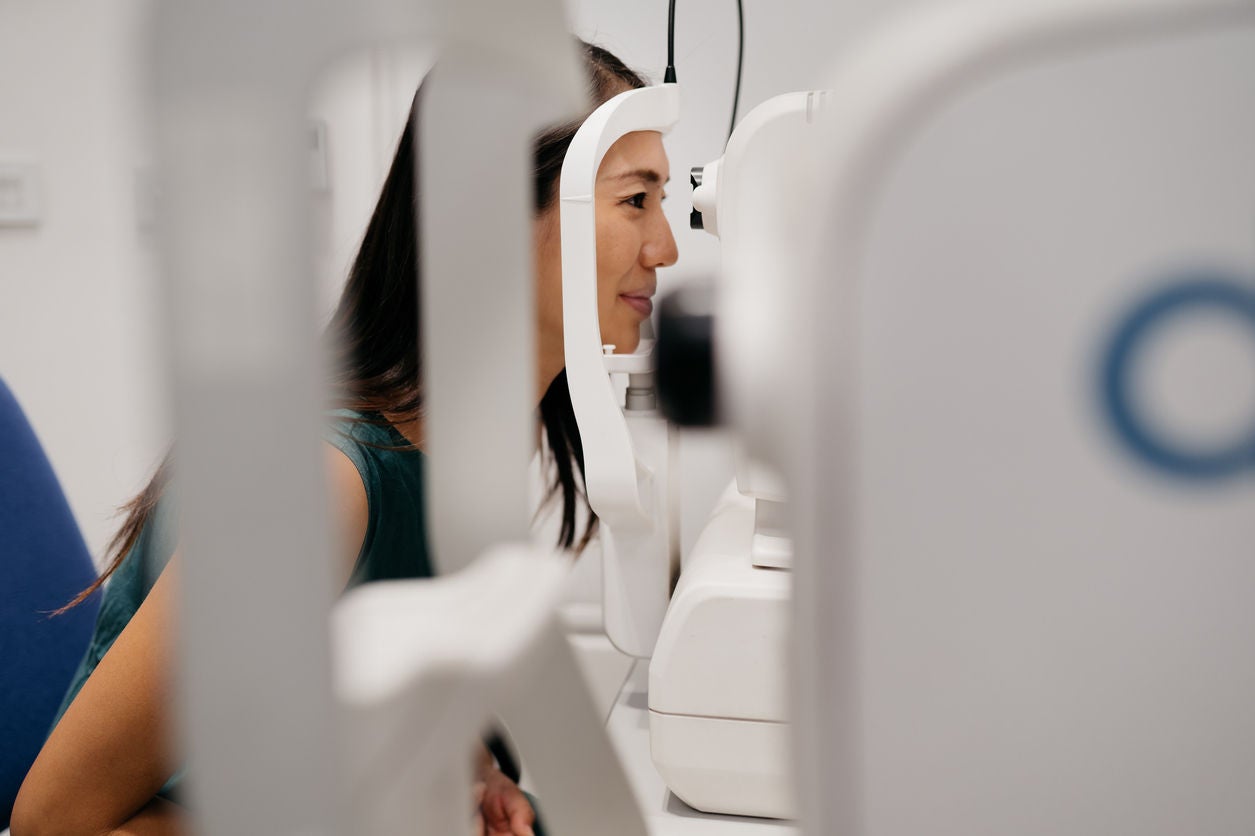
Young beautiful Asian woman having an eye exam

Non-Arteritic Anterior Ischemic Optic Neuropathy (NAION) refers to a loss of blood flow to the optic nerve which causes sudden vision loss, that usually occurs spontaneously. It can lead to substantial visual impairment and blindness.

There are approximately 6,000 new cases per year in the U.S. and 10,000-46,000 new cases in the EU per year, and the number of cases is growing because of the aging population and rising prevalence of risk factors such as diabetes, hypertension, and other obesity-related conditions like sleep apnea.

  • Cenegermin - bkbj
    Non-Arteritic Anterior Ischemic Optic Neuropathy (NAION)
    Preclinical
    Phase 1
    Phase 2
    Phase 3
    Marketed

    Non-Arteritic Anterior Ischemic Optic Neuropathy (NAION)

    Optic neuropathies are disorders caused by damage to the optic nerve, disrupting visual signals from the retina to the brain due to injury, inflammation, poor blood flow, or genetic and degenerative factors. The result is sudden loss of vision, often affecting central or peripheral sight, color discrimination, and in severe cases, leading to permanent blindness.(1) Non-arteritic anterior ischemic optic neuropathy (NAION) is the most common cause of acute optic nerve injury and optic neuropathy in people over 50. It affects men and women equally, usually starting around age ~ 66. While the exact cause isn’t fully understood, common risk factors include diabetes, high blood pressure, high cholesterol, and smoking. Despite its frequency, and risk of severe permanent vision loss, there is no proven treatment to improve visual outcomes.

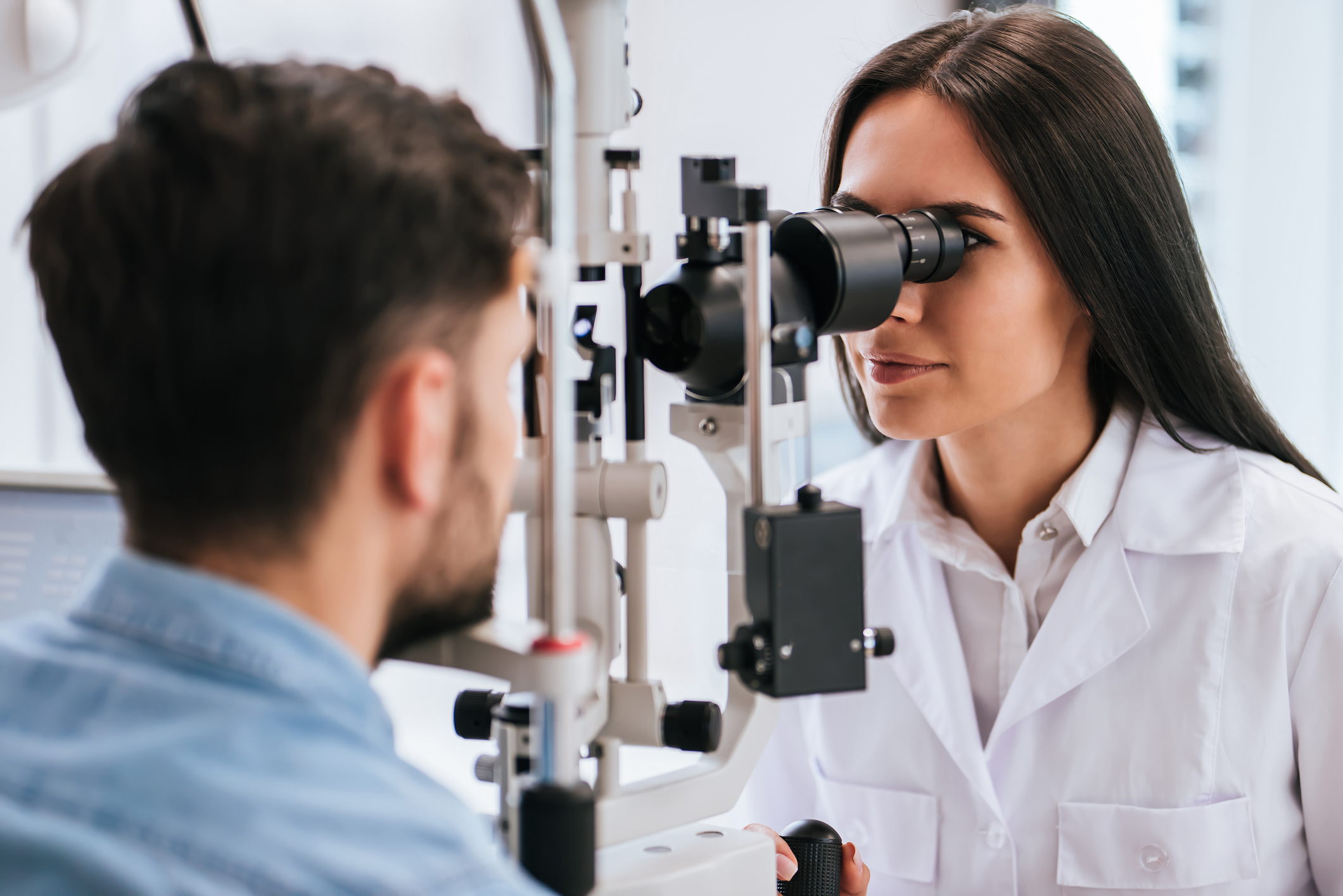
Attractive female doctor  ophthalmologist is checking the eye vision of handsome young man in modern clinic. Doctor and patient in ophthalmology clinic.

Q&A

What causes NAION?

Optic neuropathies are disorders caused by damage to the optic nerve, disrupting visual signals from the retina to the brain due to injury, inflammation, poor blood flow, or genetic and degenerative factors. NAION is the most common cause of acute optic nerve injury and optic neuropathy in people over 50. While the exact cause isn’t fully understood, common risk factors include diabetes, high blood pressure, high cholesterol, and smoking. Despite its frequency, and risk of severe permanent vision loss, there is no proven treatment to improve visual outcomes.

What are symptoms and complications of NAION?

NAION usually causes sudden, painless vision loss in one eye, often noticed upon waking. Some people may see dark or blurry spots or lose vision in part of their visual field. As many as three out of four patients experience substantial visual impairment, and approximately one in 10 patients experience profound loss of vision and legal blindness.

How is NAION diagnosed?

NAION is diagnosed and treated by an eyecare specialist, who looks for sudden vision loss and swelling of the optic nerve during an eye exam. They may use imaging tests and blood work to rule out other conditions that can cause similar symptoms. Because there’s no single test, doctors rely on a thorough review of symptoms, risk factors, and exam findings to make the diagnosis.

How is NAION treated?

There are currently no approved medicines to reverse vision loss or prevent worsening in patients with NAION. Treatment focuses on protecting the remaining vision and reducing future risk. Doctors may manage underlying conditions like high blood pressure, diabetes, or sleep apnea, which can contribute to the disease. Regular eye exams and healthy lifestyle changes are important to help protect the other eye.

What is it like living with NAION?

Living with NAION can be challenging, as vision loss often affects depth perception, reading, and daily activities. Many people adapt with vision aids, lighting changes, and lifestyle adjustments to preserve their independence and quality of life.

References

  1. Valérie Biousse and Nancy J Newman, “Diagnosis and Clinical Features of Common Optic Neuropathies,” The Lancet Neurology 15, no. 13 (December 2016): 1355–67, https://doi.org/10.1016/s1474-4422(16)30237-x.